Understanding tonsil stones and how to manage this surprisingly common condition that affects millions of people worldwide.
Have you ever noticed small, white or yellowish bumps in the back of your throat? These mysterious formations might be tonsil stones – a condition that’s more common than you might think. While they’re rarely dangerous, tonsil stones can cause embarrassing symptoms and significant discomfort if left untreated.
What Are Tonsil Stones?
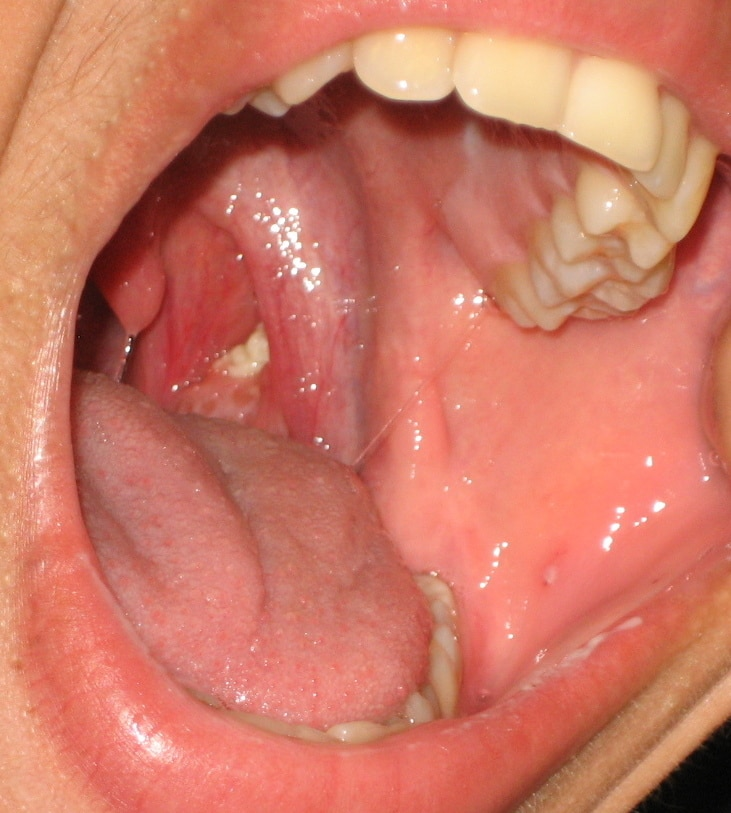
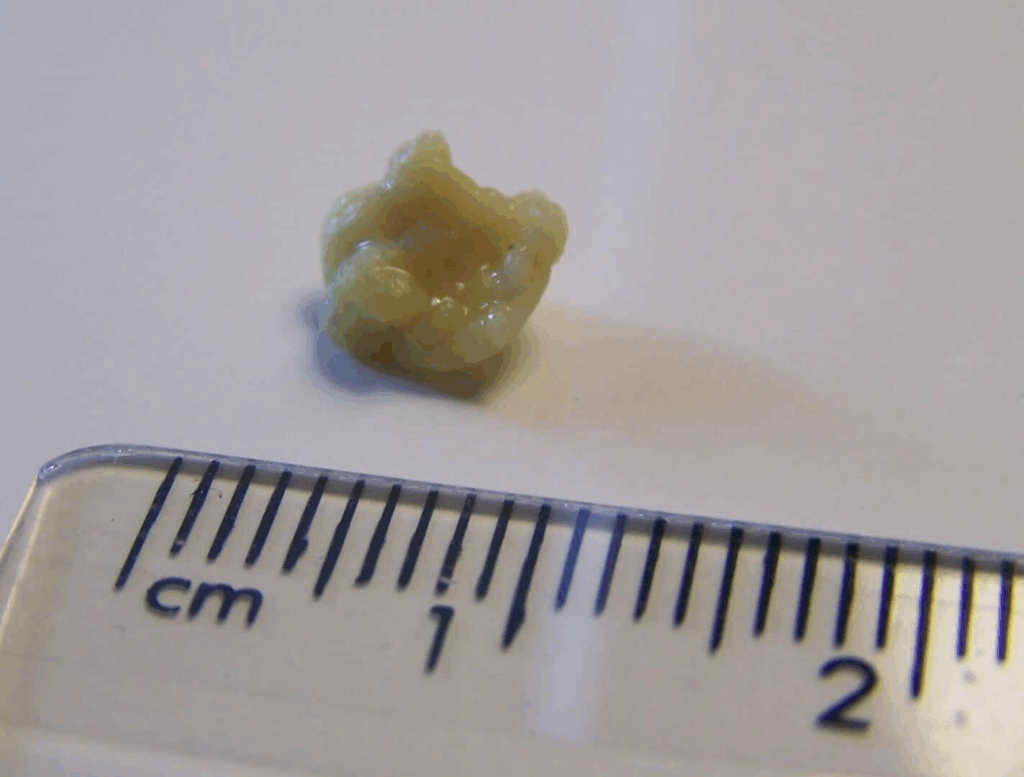
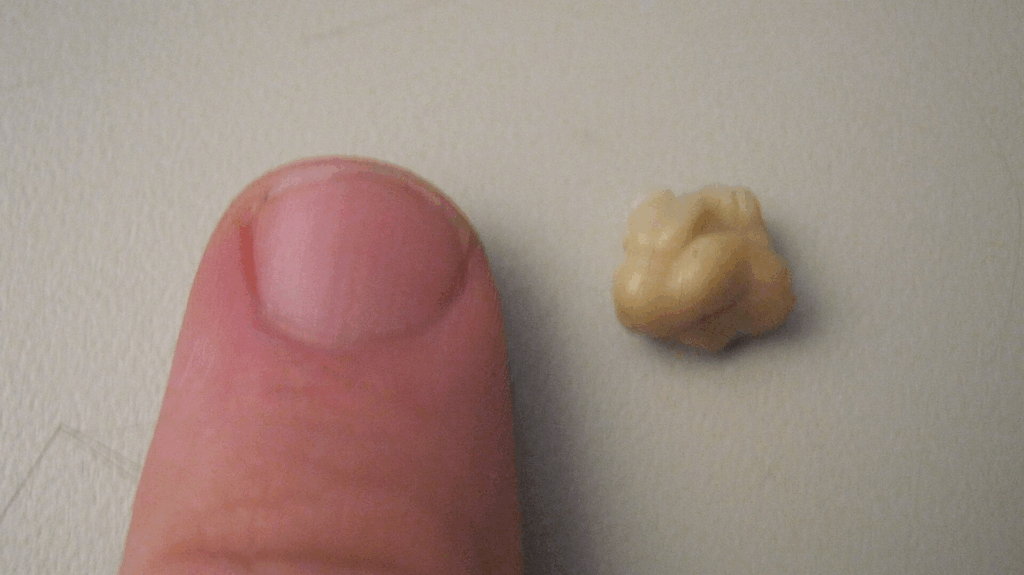
Tonsil stones, medically known as tonsilloliths, are small, hardened deposits that form in the pockets and crevices of your tonsils. These calcified masses can range from tiny, rice-sized particles to larger formations that are visible to the naked eye. They’re composed of bacteria, dead cells, food debris, and minerals that have accumulated and hardened over time.
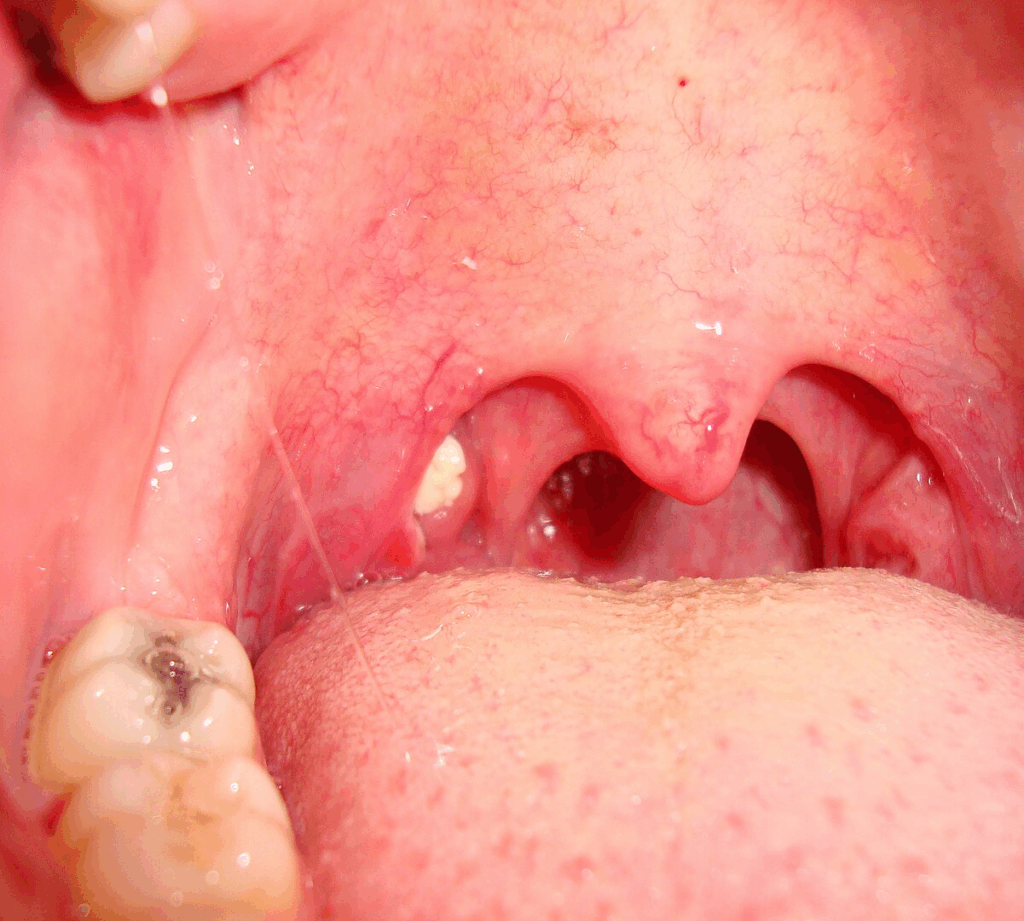
Your tonsils contain natural crevices called crypts, which serve as part of your immune system’s defense mechanism. However, these same crypts can become collection points for unwanted debris, creating the perfect environment for tonsil stones to develop.
The Root Causes Behind Tonsil Stone Formation
Understanding why tonsil stones form is crucial for prevention. Several factors contribute to their development:
Tonsil Structure: People with larger tonsils or deeper crypts are naturally more prone to developing stones. The anatomy of your throat plays a significant role in determining your susceptibility.
Oral Hygiene Habits: Inadequate brushing, flossing, or mouth rinsing allows bacteria and food particles to accumulate in the mouth and throat area, increasing the likelihood of stone formation.
Chronic Inflammation: Recurring throat infections, allergies, or sinus problems can create an environment where debris is more likely to become trapped and calcify.
Dietary Factors: Certain foods, particularly those high in calcium or those that leave residue in the mouth, may contribute to stone formation in susceptible individuals.
Recognizing the Warning Signs
Tonsil stones don’t always announce their presence dramatically. Many people have them without realizing it, while others experience noticeable symptoms:
Persistent Bad Breath: Often the first and most embarrassing symptom, halitosis caused by tonsil stones has a distinctive, sulfurous odor that doesn’t improve with regular oral hygiene.
Throat Discomfort: A persistent feeling that something is stuck in your throat, accompanied by mild soreness or irritation.
Swallowing Difficulties: Larger stones can create a sensation of obstruction, making swallowing uncomfortable or creating a choking feeling.
Referred Ear Pain: The shared nerve pathways between your throat and ears can cause pain to radiate to your ears, even when the problem is in your tonsils.
Visible White or Yellow Spots: In some cases, you might actually see the stones as small, pale bumps on your tonsils when looking in a mirror.
Natural Prevention Strategies
The good news is that tonsil stones are largely preventable with consistent care and attention to your oral health routine.
Enhanced Oral Hygiene: Brush your teeth at least twice daily, focusing on the back of your tongue and throat area. Use an antibacterial mouthwash to reduce bacterial load in your mouth.
Salt Water Rinses: Gargling with warm salt water several times a week can help flush debris from tonsil crypts and reduce inflammation.
Stay Properly Hydrated: Drinking plenty of water throughout the day helps keep your mouth moist and flushes away food particles and bacteria.
Dietary Adjustments: Some people find that reducing dairy consumption helps decrease mucus production, which can contribute to stone formation.
Safe Home Remedies for Removal
If you already have tonsil stones, several gentle methods can help remove them safely:
Water Irrigation: Using a low-pressure oral irrigator or even a syringe with warm water can help dislodge smaller stones. Always use gentle pressure to avoid injury.
Cough Technique: Sometimes, a deliberate cough or clearing of the throat can naturally expel loose stones.
Cotton Swab Method: Very carefully, you can use a clean cotton swab to gently press around the stone, but this should be done with extreme caution to avoid injury or pushing the stone deeper.
Natural Foods: Eating crunchy fruits and vegetables like apples, celery, or carrots may help naturally scrape away loose debris.
When to Seek Professional Help
While most tonsil stones can be managed at home, certain situations require medical attention:
- Stones that are too large or deep to remove safely at home
- Recurring infections or severe throat pain
- Stones that significantly impact your quality of life
- Chronic bad breath that doesn’t improve with home treatment
Healthcare providers have specialized tools and techniques to safely remove stubborn stones. In rare cases where tonsil stones are a recurring, severe problem, surgical removal of the tonsils (tonsillectomy) might be recommended.
Living Stone-Free: Long-Term Management
Managing tonsil stones is about creating habits that prevent their formation in the first place. Consistency in oral hygiene, regular dental checkups, and awareness of your symptoms are your best defenses against this common but manageable condition.
Remember that while tonsil stones can be uncomfortable and embarrassing, they’re rarely a serious health threat. With proper understanding and care, most people can effectively prevent and manage them, maintaining better oral health and confidence in their daily interactions.